

First phase of remodelling St Germain’s, Edgbaston complete
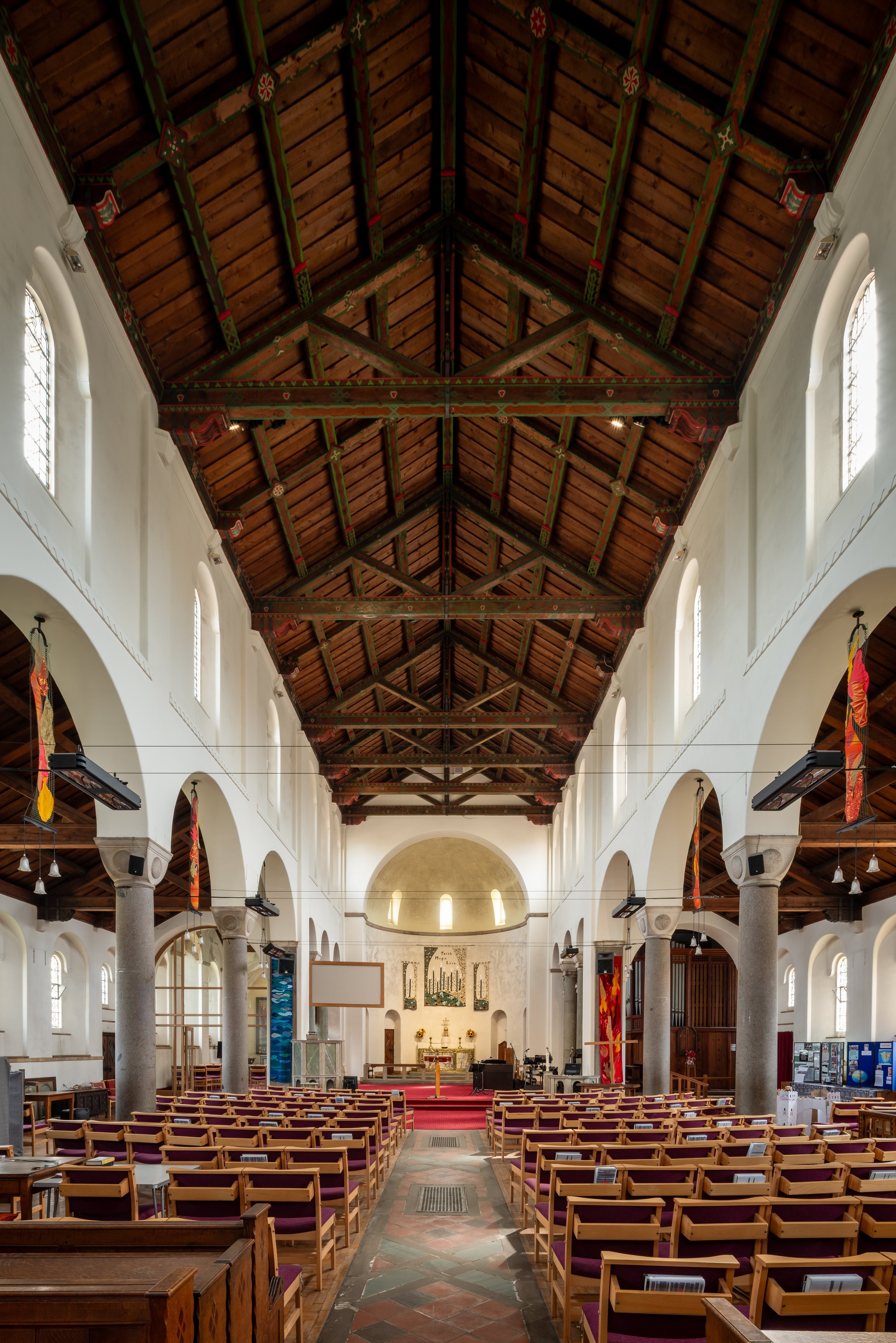
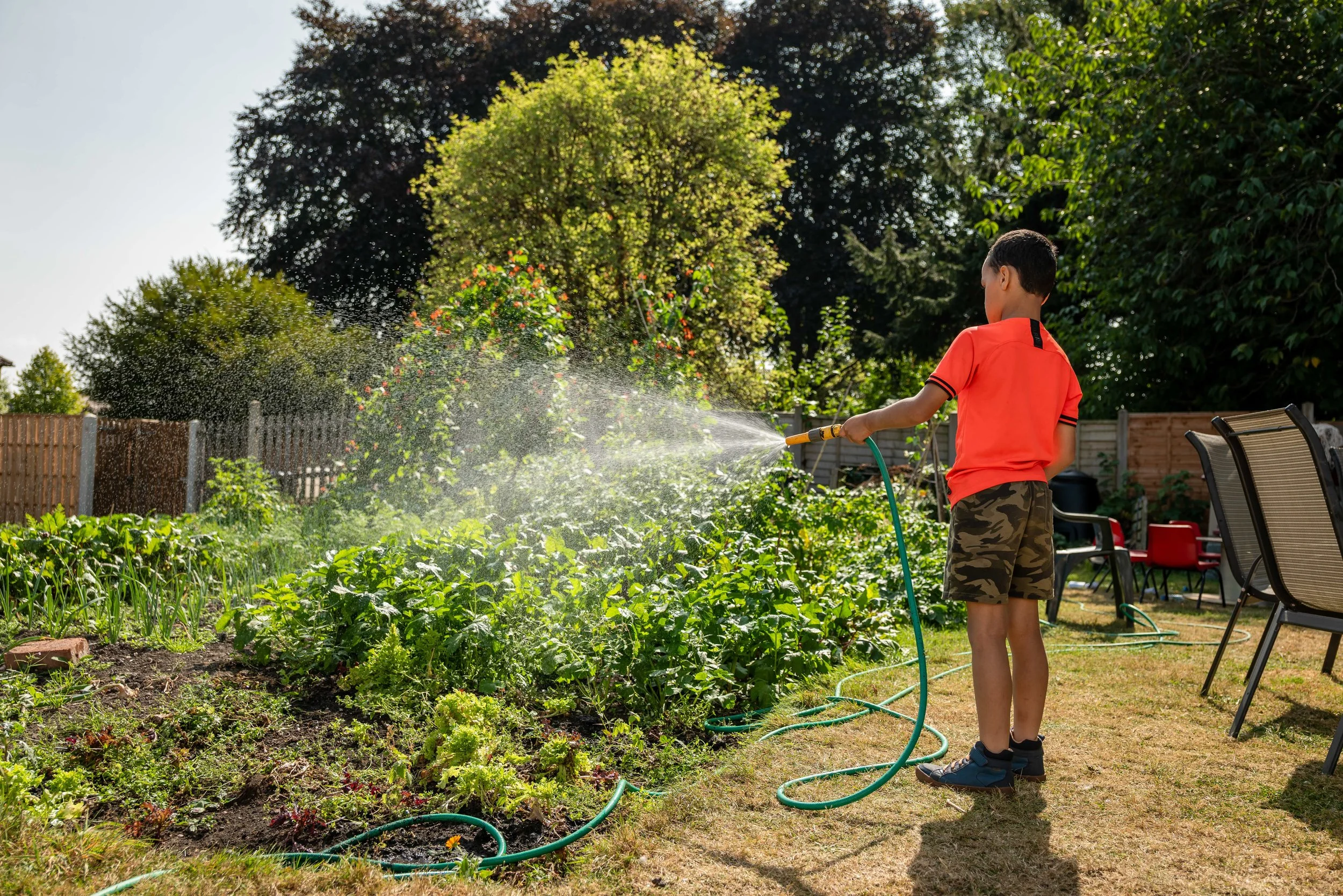
The phased delivery of a long-term masterplan for the remodelling of St Germain’s is based upon a workable strategy to deliver a zero-carbon building as part of its mission within a multi-cultural society deeply impacted by Climate Change. The church (a unique Grade II* Listed structure in the neo-byzantine style dating from the early C20th) serves as home to a wide variety of community groups active across central Birmingham. There’s a community café, a garden project, a weekly craft session and a wellbeing hub, as well as Sunday and midweek services.
The masterplan developed by Burrell Foley Fischer, the first phase of which is now complete, includes adaptations to the main worship area and creating more flexibility by resolving major storage challenges around running a vibrant church and an essential food bank within the same, historically sensitive space.
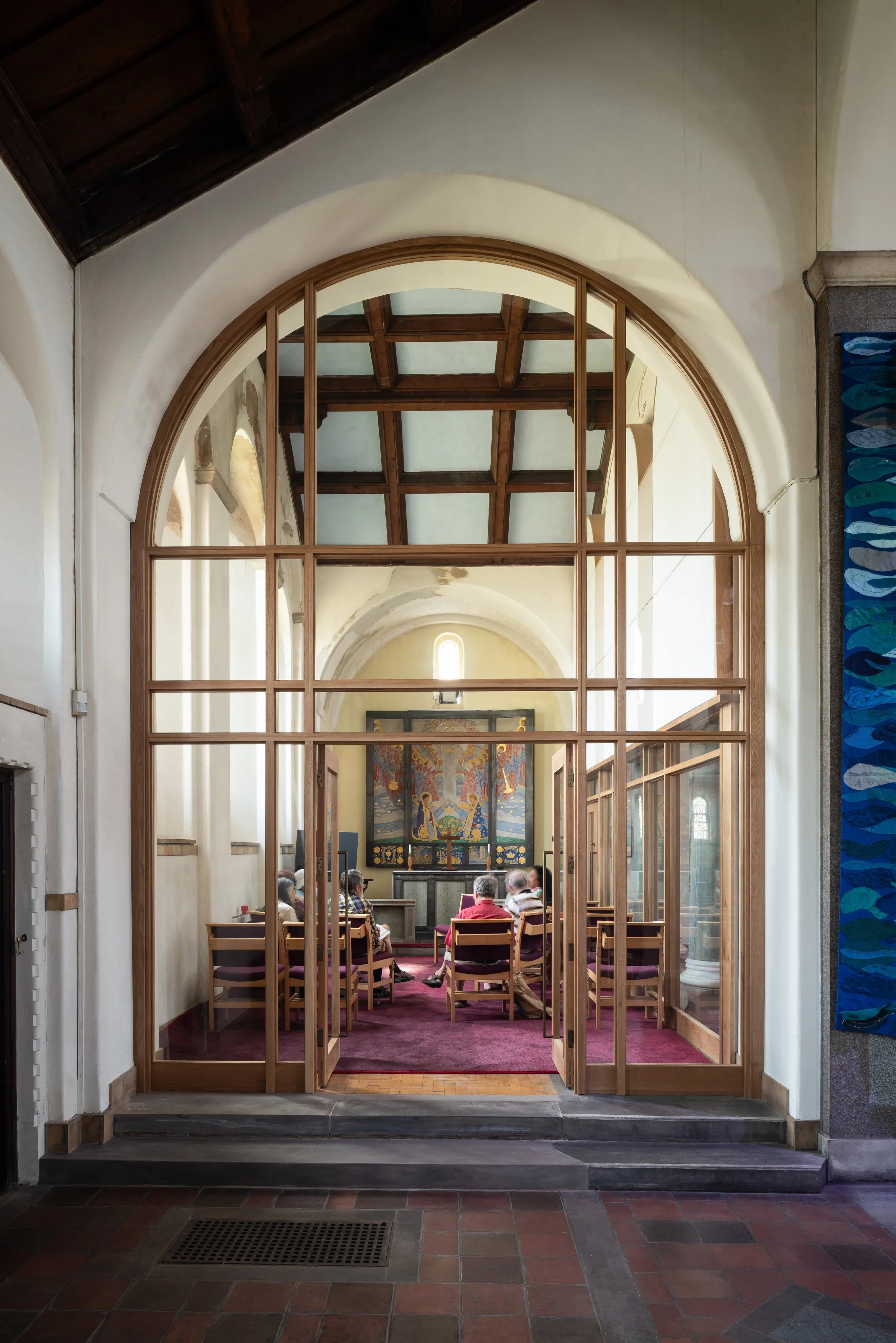
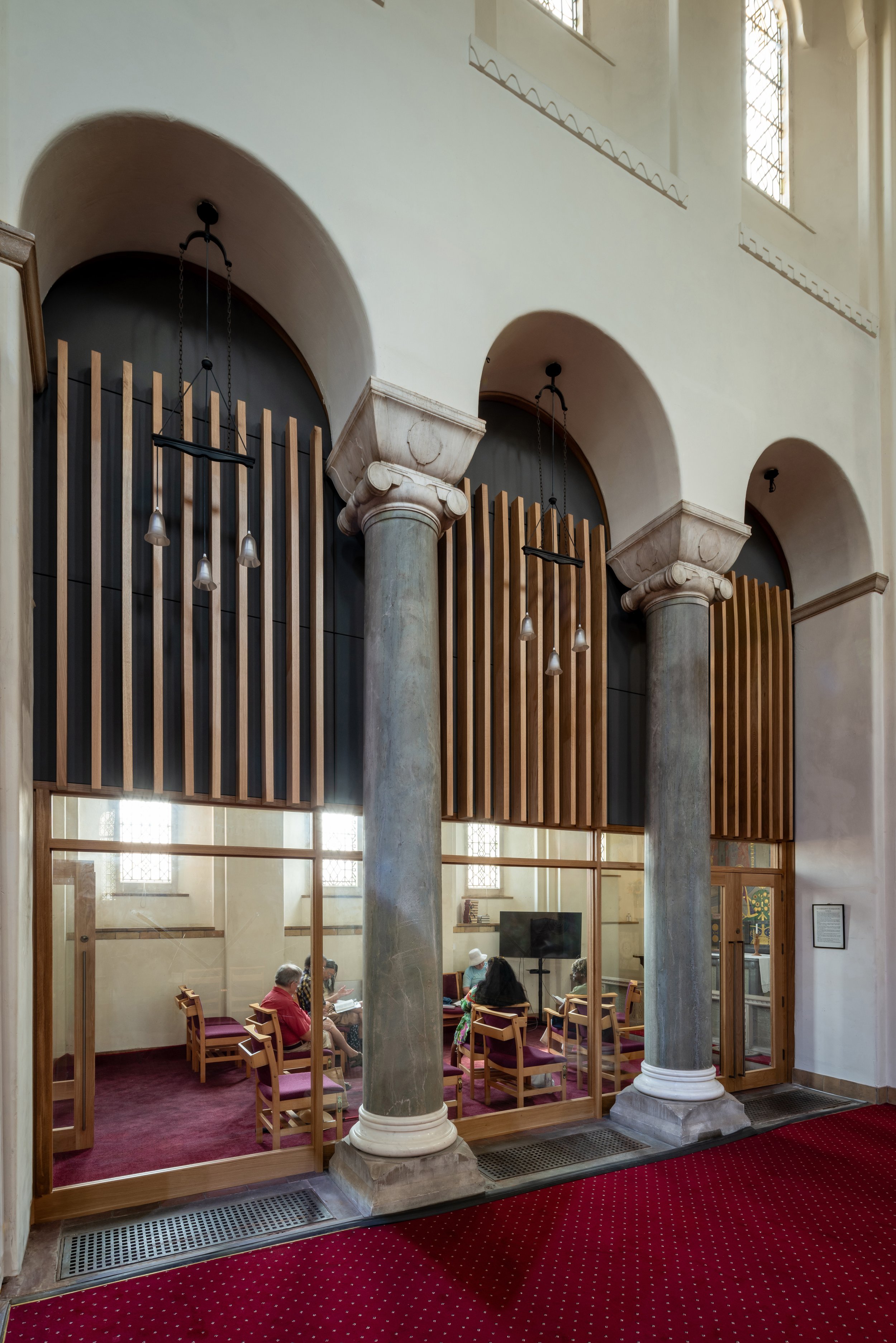
St Germain’s became one of the first churches in the UK to receive a Stage 2 Demonstrator Church grant from the Church of England’s national Net Zero Programme. The funding has gone towards installing an air source heat pump that will keep the church at an ambient temperature, as well as glazing the side chapel, to create a zoned space for around 25 people to meet or for worship, that can be heated separately without needing to heat the whole church.
The air source heat pump uses the original 1917 floor trenches, adapting them to distribute hot air under the church’s floors. This use of existing trenches has significantly reduced the project costs, as well as reducing the embodied carbon of installing a new floor, showing that sometimes, existing heat distribution systems coupled with the latest net zero technologies are the best solution. It is hoped the changes will reduce the church’s annual carbon emissions from 4.1 tonnes to 2.52 tonnes.
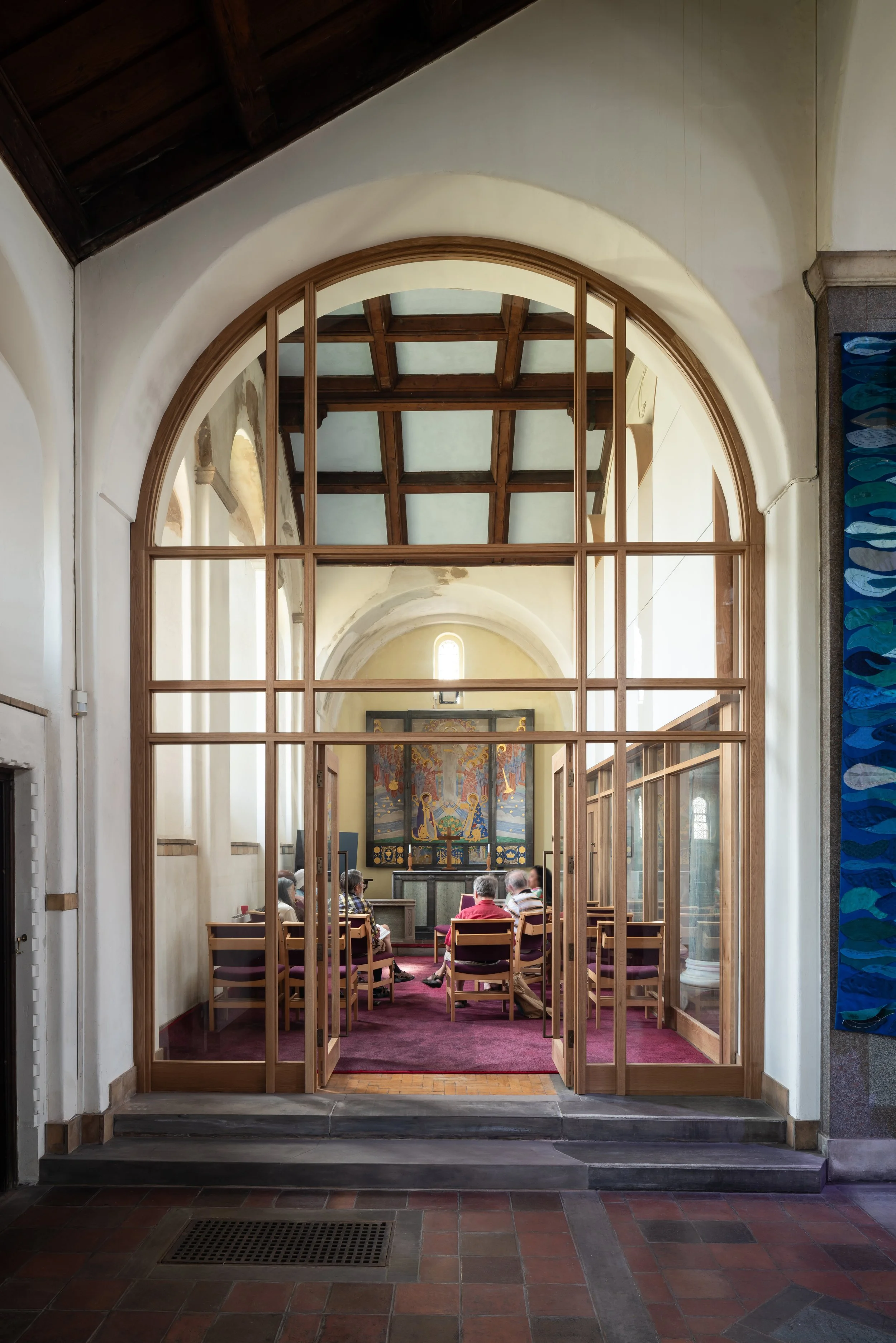
Vicar, the Rev Dr Sarah Hayes, describes just how cold the church has been. “In the winter, you just couldn’t be in it,” she said. “We hold a weekly midweek service, which has had to move to the church hall, but in the future, we’ll be able to do that in the side chapel. People will be more willing to come if it’s warm! And our elderly people will be able to come throughout the year, in a way that they can’t now. Glazing the side chapel gives us a creative space to use. With the church heated permanently we can run workshops and hire the space out which will help fund the church’s work and should make us sustainable for the future. It’s going to be transformative.”

The improvements at St Germain’s have contributed to The Church of England’s Diocese of Birmingham becoming the first in the country to receive a prestigious Silver Eco Diocese award, recognising its leadership on environmental sustainability. More than 100 churchgoers and clergy gathered at St Martin in the Bull Ring last month to celebrate the achievement with worship, speeches and stories from local churches making eco-friendly changes.