

Twentieth Century Society proposes Harbour Lights Cinema, Southampton for listing
The Twentieth Century Society have announced “Coming of Age 2025’ their end of year ‘honours list’ celebrating the best of British architecture that’s turned 30 years old and so become eligible for national listing consideration. Harbour Lights Cinema in Southampton, designed by Burrell Foley Fischer, and described as “perhaps the most influential new cinema built in Britain over the past 40 years” is included on the list.
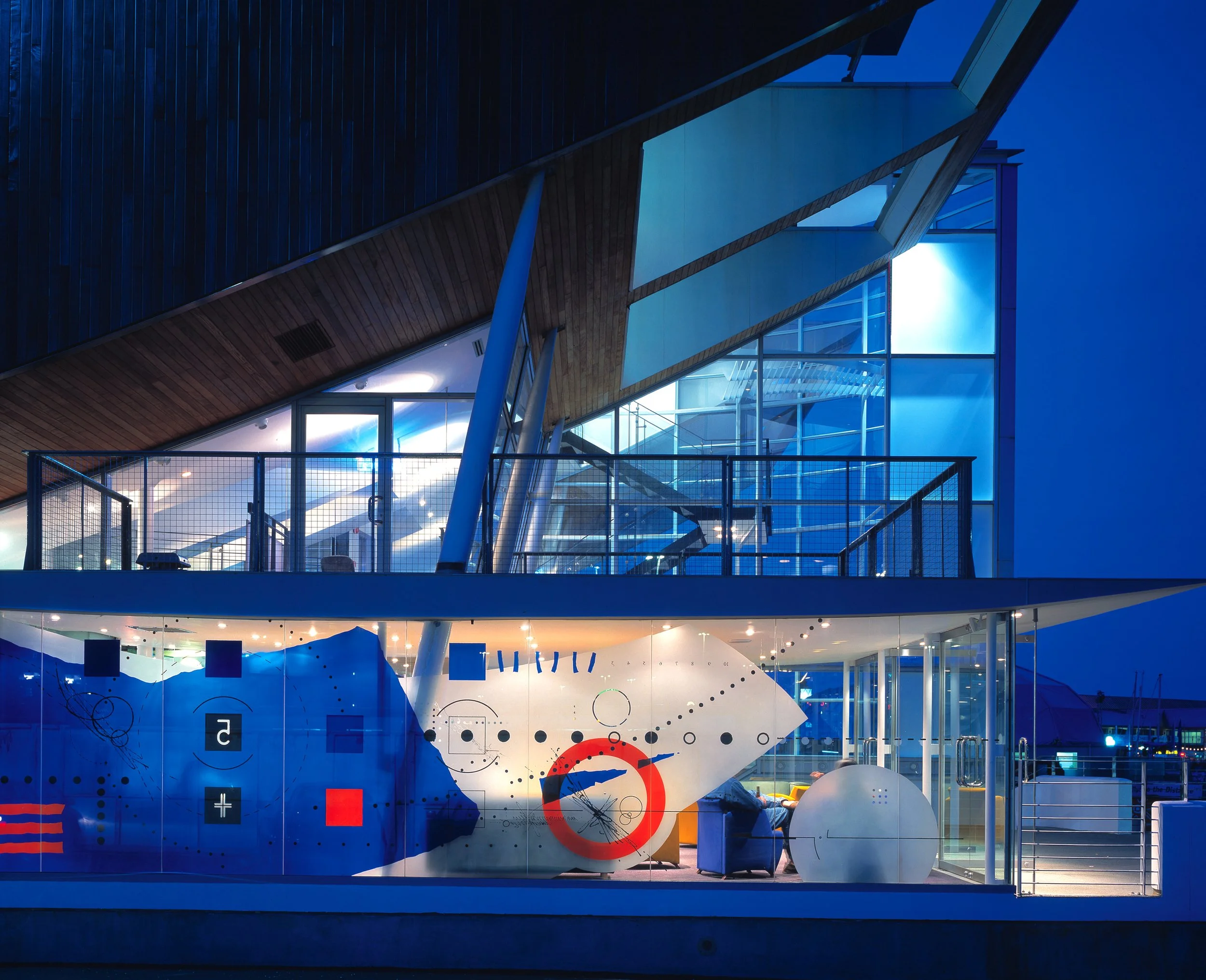
Harbour Lights is a landmark building located in the former P&O docks, Southampton, with two auditoria for film and video exhibition as well as conferences. The antithesis of the black-box space, the cinema's design provides a refreshing contrast to its multiplex rivals. The foyers, café bar and offices have an open aspect which fully exploit the centre’s dockside location.
The Society’s annual ‘Coming of Age’ initiative identifies 10 outstanding buildings across the country that opened in 1995, and recommends they be added to the National Heritage List. This hit-parade of heritage from the recent past celebrates the richness and diversity in our built environment, set within the social, political and cultural contexts of the day.
The Twentieth Century Society’s citation reads:
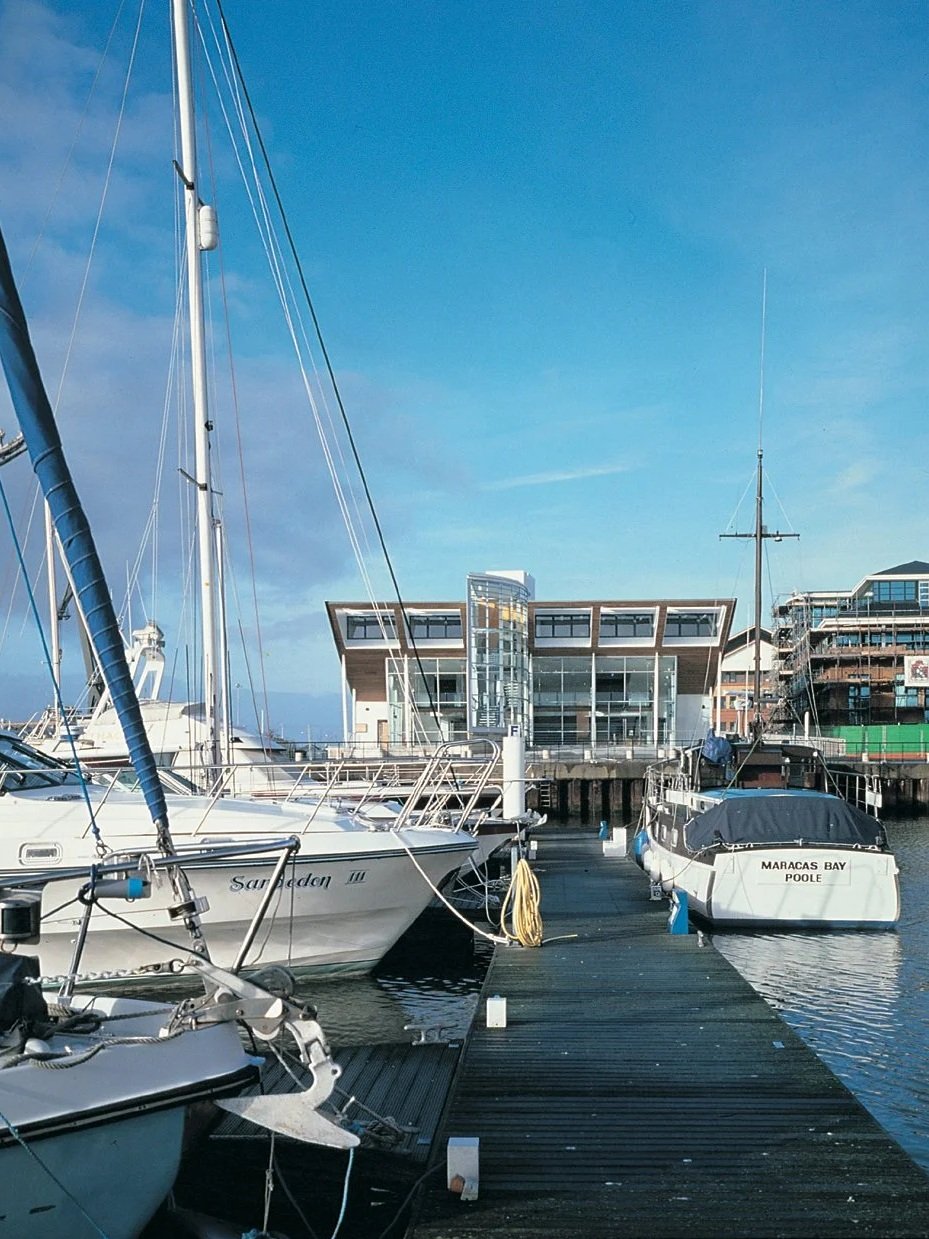
“In 1984, P&O pulled its cross-channel ferries out of Southampton, transferring the business along the south coast to the ports at Dover and Portsmouth. By 1995, despite remaining one of Britain’s busiest arrival and departure points for luxury cruises, the city’s docks were at the tail end of a decade of decline and, in line with a pattern then rippling across Britain, Southampton City Council decided to look for alternative uses for their industrial land. They set about transitioning what was once Southampton’s first working docks, opened in 1842, into a ‘leisure marina’ named Ocean Village.
Unlike its auspiciously-named neighbour, the Canute’s Pavilion shopping centre, Harbour Lights cinema remains thriving today, the last bastion of this short-lived Kingdom of Leisure to hold out against the mediocre and zombified contemporary housing tide that makes up much of Ocean Village.
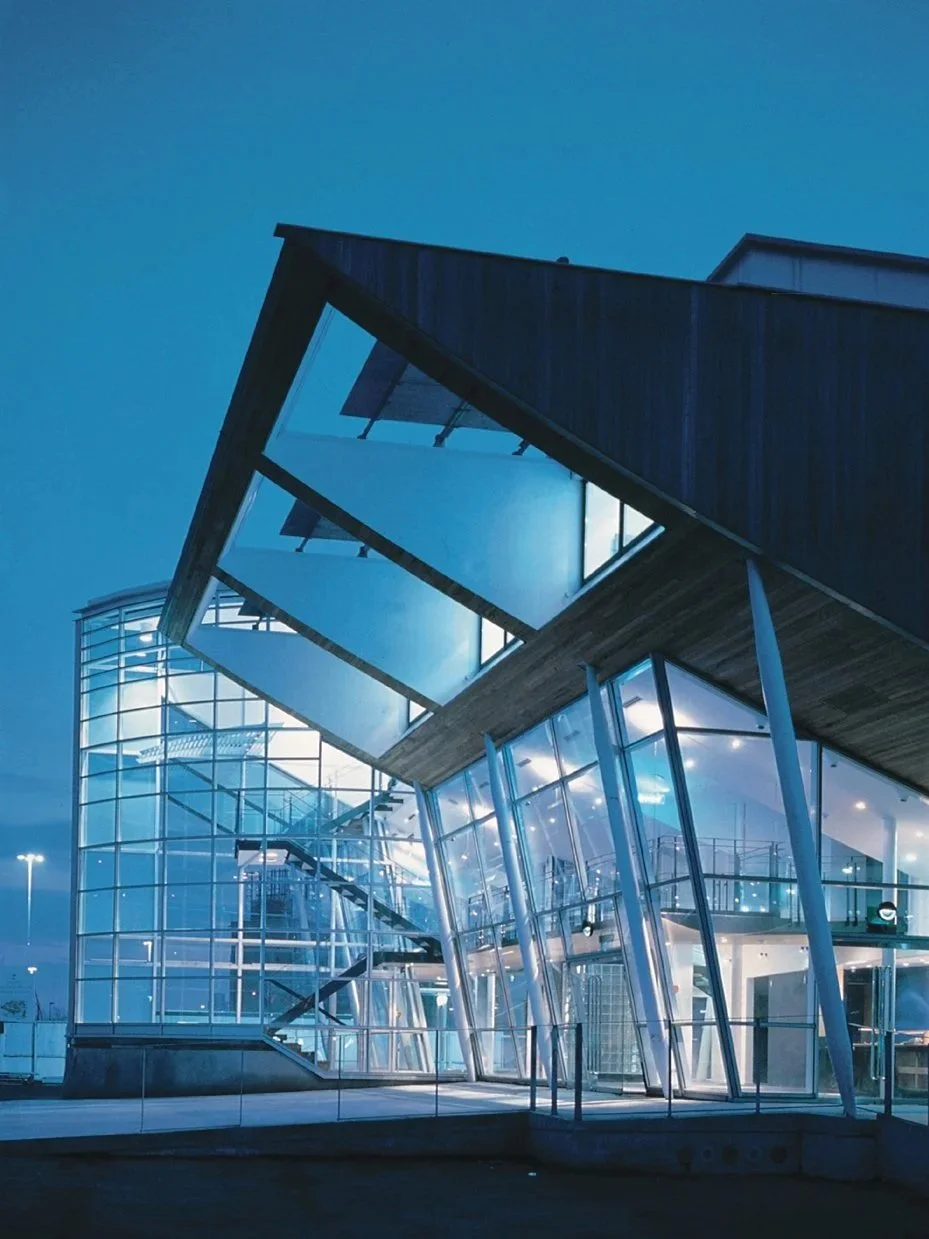
Recipient of a Civic Trust Commendation in 1997 and shortlisted for a RIBA award for architecture, the cinema itself was voted Britain’s Best-Loved Independent Cinema in 2000 by the readers of Empire Magazine – the first and only time they awarded such a title – and is perhaps the most influential new cinema built in Britain over the past 40 years. Indeed, Burrell Foley Fischer have developed somewhat of a pedigree in arts and entertainment venue excellence (see: The Rio Cinema in East London, The Crucible in Sheffield etc.) and Harbour Lights is a creative response to a tricky site. The soaring waterfront bow, rising upwards and outwards with a razor sharp edge, is an indication of the sheer amount of concrete required to shore up what was once a badly eroding slipway, and there is an accordingly rocky momentum in the unbalanced footprint that is further enhanced by the mast-like structural columns running along the frontage, rigid and slanted, like a ship falling with the waves.
The building’s internal organisation is expressed externally. The cinema auditoria can be read outside, their underbellies being clad in Vitex timber. Externally, these timber auditoria sweep upwards to create huge brise-soleil at the upper level. The 350 seat main auditoria appear supported by steel columns, behind which is an angled glass wall. The timber auditoria have been described as ‘boat-like’ and ‘reminiscent of a hull’, propped up like boats stored in a dry dock. This vast glass sweep provides a viewing platform at the first floor, and floods additional internal spaces with natural light. By night the cinema radiates outwards, a ghost ship bobbing in the docks, and calls out like a siren beckoning cinemagoers to its post-industrial shores. Harbour Lights is a beautiful landmark of the silver screen that celebrates a trip to the cinema, and is the antithesis of the black box space, offering a refreshing and revolutionary contrast to its multiplex rivals.”