

Old Court and Weaving Sheds Kidderminster is a finalist in the 2025 Building Awards
BFF’s restoration and remodelling of the Old Court and Weaving Sheds in Kidderminster has been announced as a finalist in the 2025 Building Awards, in the Retrofit Project of the Year - Traditional & Historic category.
“It’s been brilliant to see so many strong contenders this year and particularly encouraging has been the big increase in retrofit projects, meaning we have now split the category into modern and traditional projects to be able to showcase the range of challenges project teams have risen to.”
Chloe McCulloch, Editorial director and chair of the judges,
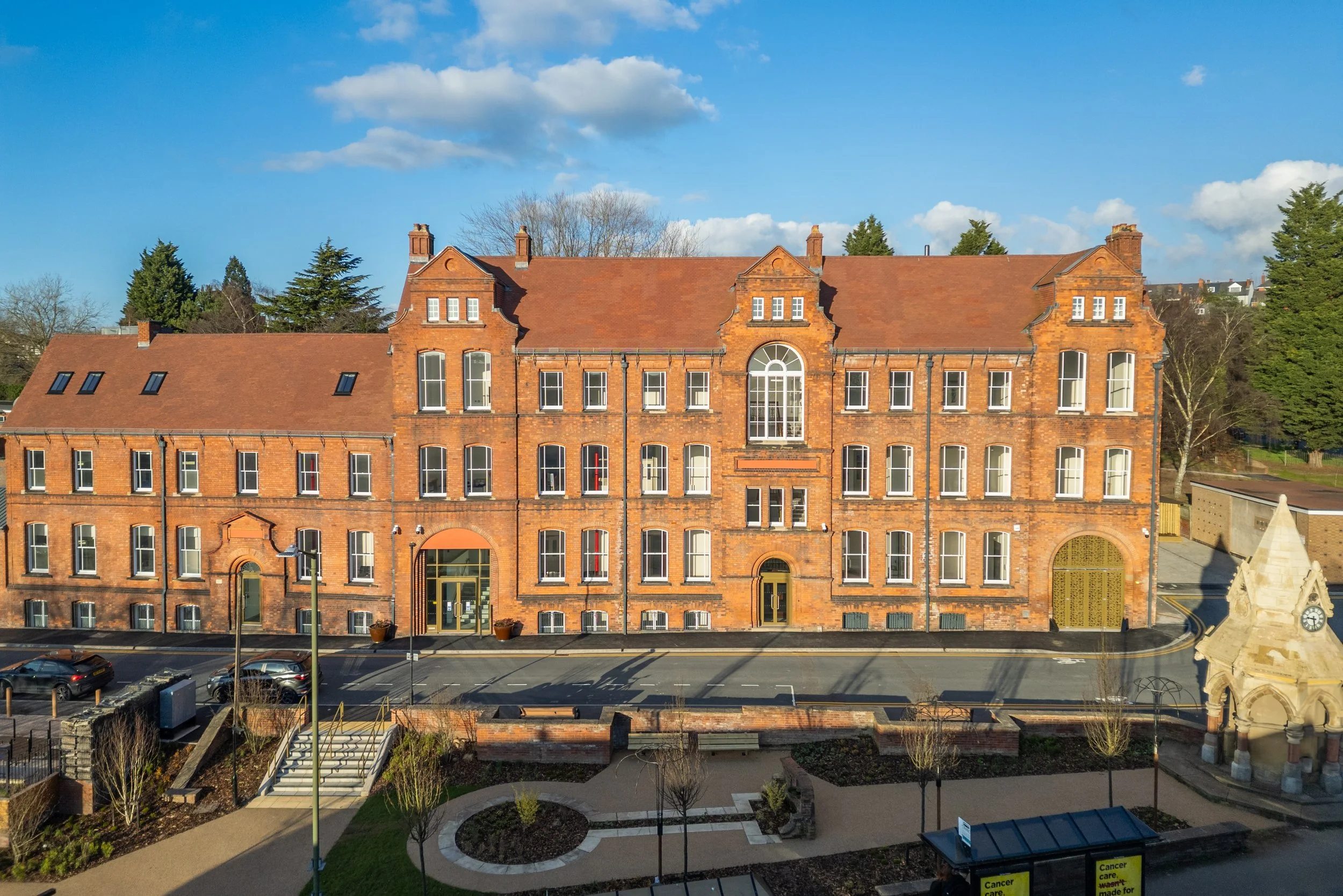
The restoration of the Grade II listed Former Magistrates' Court in Kidderminster town centre has transformed the site into a thriving business and creative hub. Commissioned and managed by Wyre Forest District Council with support from the Future High Streets Fund (FHSF), the project has regenerated and maximised the site's potential. The redevelopment, now known as ‘The Old Court’ and ‘The Weaving Sheds’, is set to play a pivotal role in renewing Kidderminster’s urban fabric, creating a prominent gateway building and re-purposing a valuable historic asset.
Designed in the Queen Anne Revival style by Birmingham architect J.G. Bland, the building was originally constructed between 1878 and 1879 for R.J. Willis, a manufacturer of Brussels carpets. In 1883, the property was acquired by Woodward, Grosvenor and Company, who used it as their main offices and showroom. The adjacent weaving sheds were likely extended during this period to support the growing business.
In 1971 the building and weaving sheds were sold to the borough council, and part of the main building was converted to house the Magistrates' Court with the remaining premises used as office accommodation for various council departments. The weaving sheds to the rear became a covered market until the mid-1990s. The Magistrates Court moved to new premises in mid-2000s, and the building had remained vacant since then.
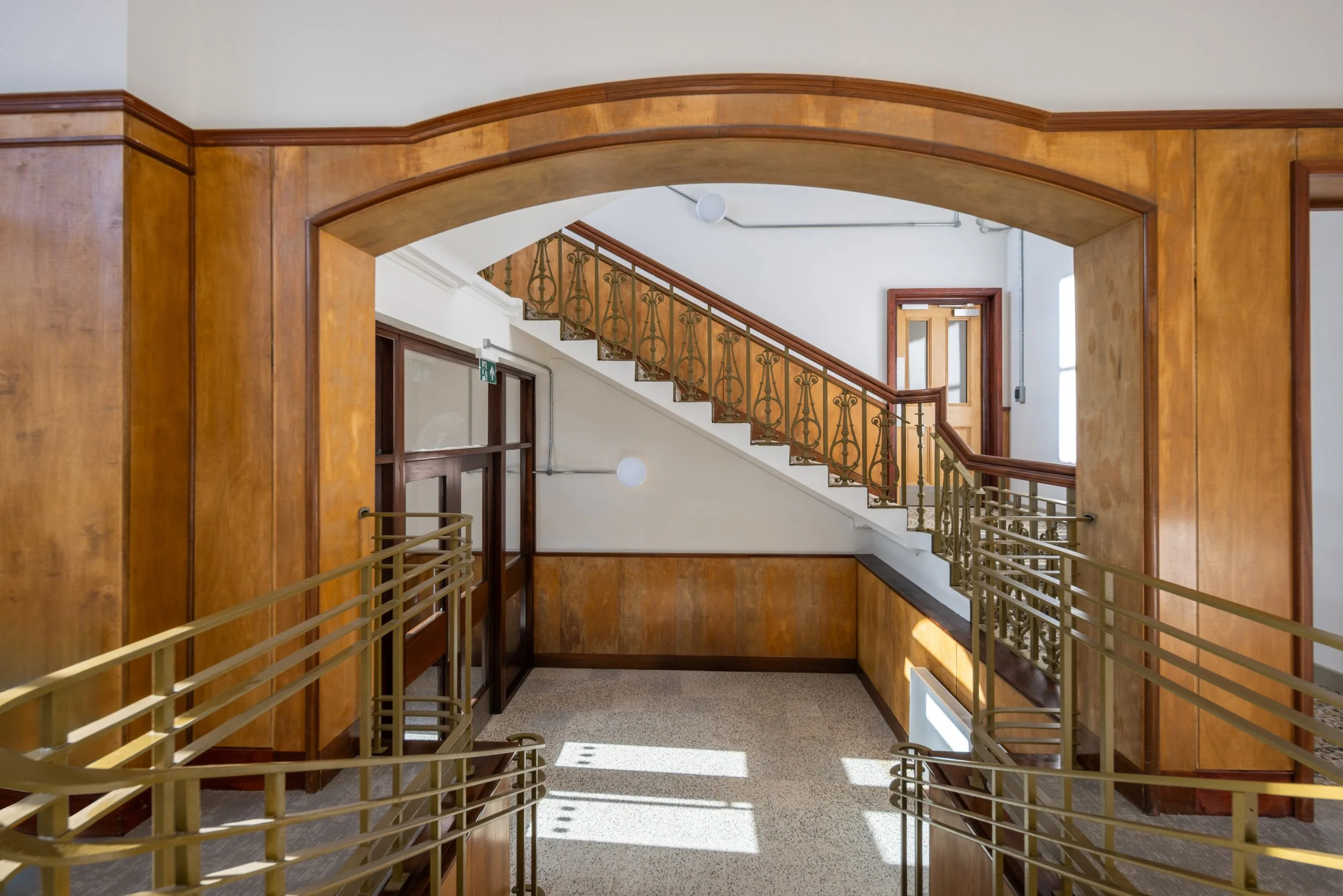
A design team led by Burrell Foley Fischer Architects developed a proposal for the Council, to refurbish and remodel the site, creating new financially sustainable uses for the vacant listed buildings. The scheme retained and sensitively restored the historic Grade II buildings, as an integral part of the vision, supported by carefully designed new interventions which reference the Town’s Heritage.
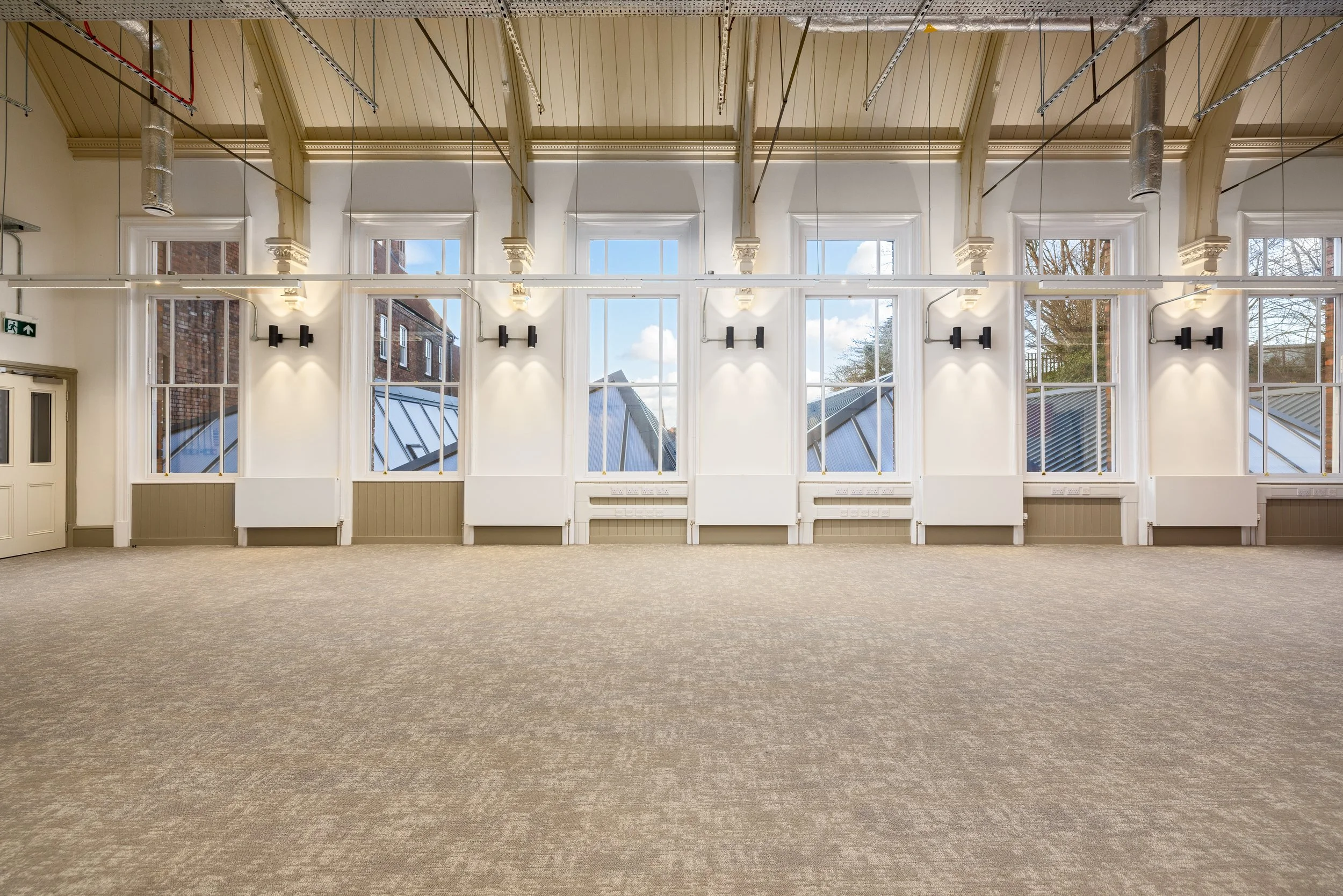
Now complete, the revitalised building, renamed ‘The Old Court’, offers 1,800 sqm of high-quality office and event space for rent. It also accommodates innovation initiatives serving the wider county. Spanning three floors and fully accessible by lift, the building features a mix of private workspaces, shared kitchens, meeting rooms, event spaces, and modern facilities including showers and toilets. The former court chamber has been transformed into a bright, spacious conference and meeting room.
The project delivers significant sustainability and accessibility enhancements as part of its regeneration strategy. Sustainability is embedded through the restoration and reuse of the historic fabric, reducing embodied carbon, and integrating modern energy-efficient systems such as LED lighting, new glazing and improved insulation. Natural ventilation, daylight optimisation, and landscape enhancements, including green spaces and biodiversity promotion, further support environmental goals. Accessibility improvements include new level access routes, lifts, ramps, and accessible toilets throughout the development, ensuring inclusive use of all public areas in the venue. These changes aim to create a welcoming, environmentally responsible, and fully accessible cultural hub in the heart of Kidderminster.
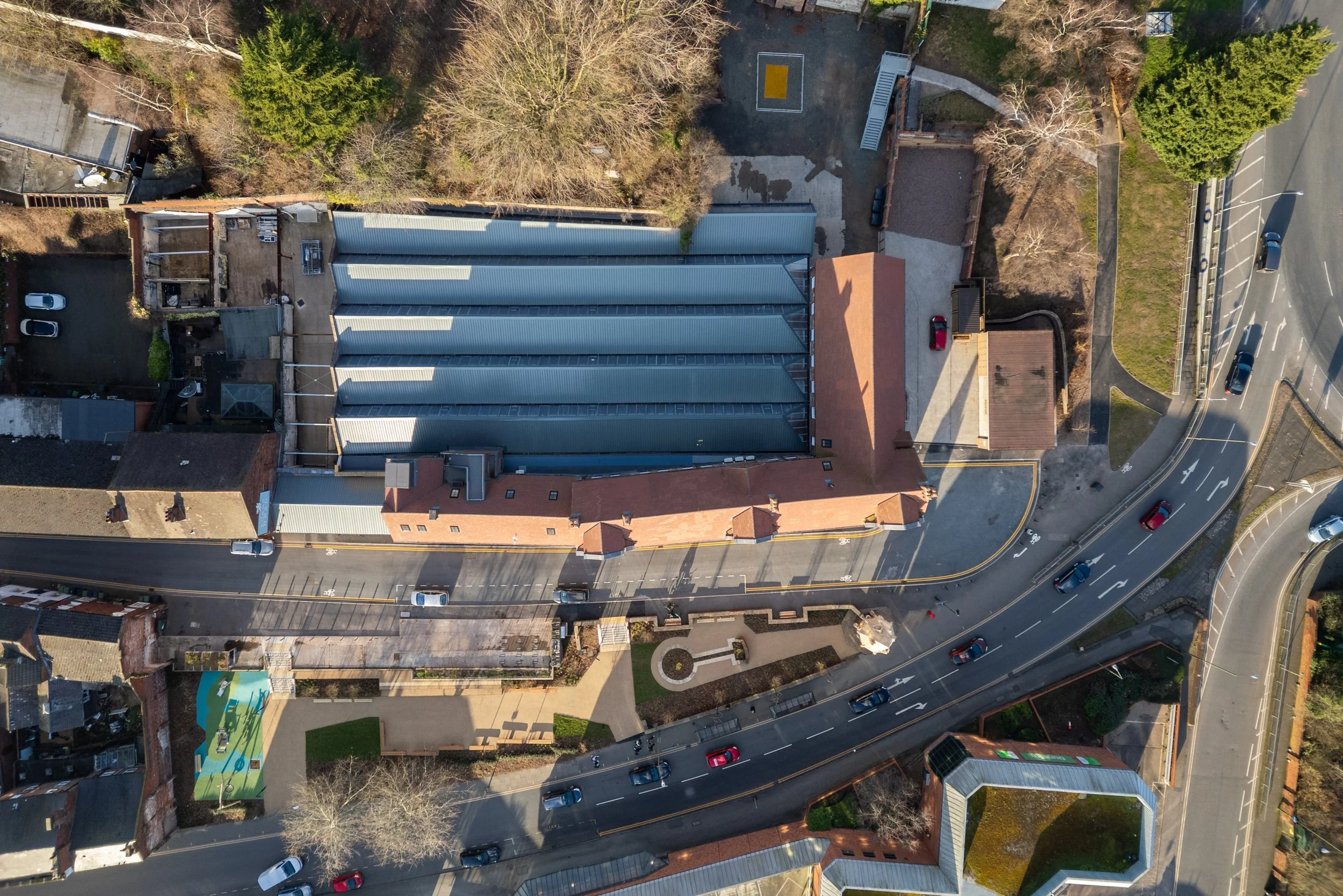
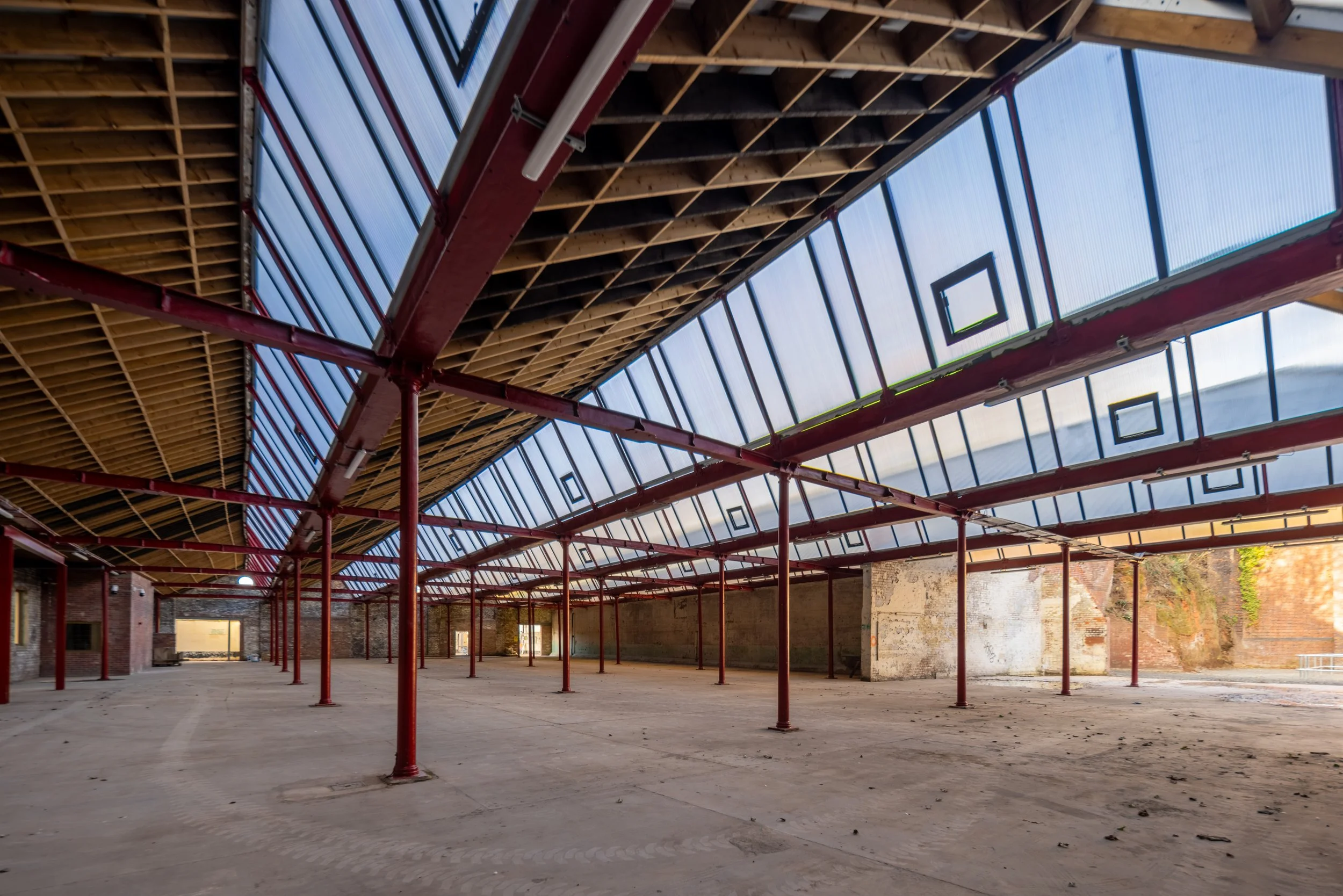
To the rear of the office building lies an intact, north-lit weaving shed featuring a distinctive saw-tooth roof. This roof is supported by cast-iron columns and fish-belly tie beams; manufactured by F. Bradley of Kidderminster, which widen towards the centre to enhance structural strength. Few examples of this industrial architecture remain, and this one was previously hidden from street view. Now fully restored, the space - branded ‘The Weaving Sheds’, serves as a vibrant venue for community events, creative workshops, and social gatherings.
The Former Magistrates’ Court occupies a prominent gateway position in Kidderminster. Its striking eastern façade provides the first impression of the town centre when approaching from the railway station or via road from Bromsgrove and South Birmingham. Opposite the building’s south-west frontage, Coronation Gardens has been revitalised as part of the development. This enhanced public space now offers seating, cycle parking, new planting, playground equipment, and other amenities for visitors and residents.
In alignment with the project’s regeneration objectives, construction contractor BAM collaborated with the local community - particularly schools and colleges, to create learning opportunities and promote careers in the construction industry.
“It’s very exciting to see the building transformed to retain its heritage feel with all the modern amenities making it fit for the future. Our intention is that local and regional businesses and organisations will welcome the addition of this high quality facility in the middle of town. The redevelopment of this site provides a critical element for the long-term vision by supporting Kidderminster’s economic and technological offer - a home for creative and digital industries - helping to drive growth and contribute to future sustainability.”
Councillor Dan Morehead, Wyre Forest District Council’s Cabinet Member for Economic Regeneration, Planning and the Green Agenda